

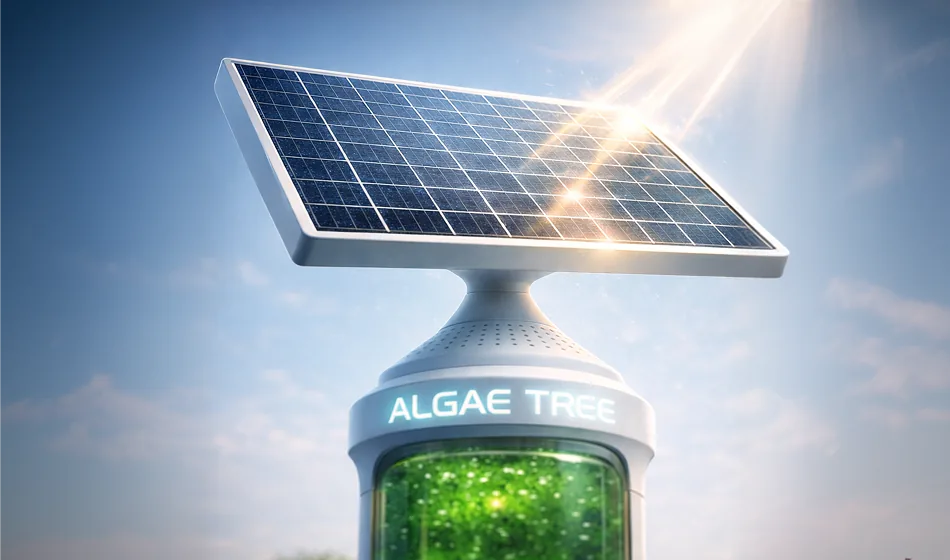
Solar Powered
Runs on integrated solar energy, enabling clean and sustainable operation without constant external power.
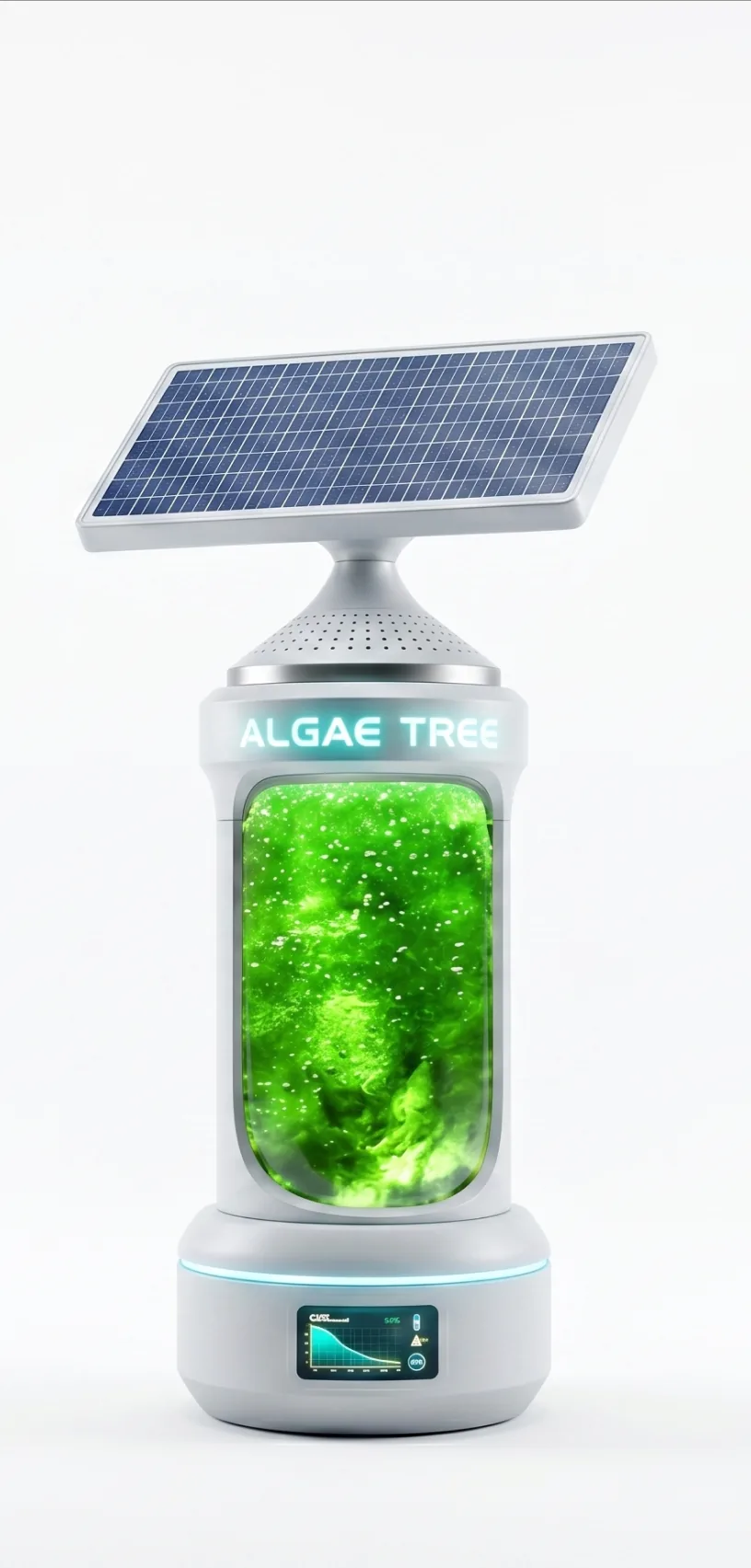
AlgaeTree works by drawing polluted urban air into the system through a controlled intake, where harmful particles like PM2.5 and PM10 are first filtered out. The cleaned air then enters the bioreactor chamber, where microalgae absorb CO₂ through photosynthesis and convert it into biomass.During this natural process, oxygen is generated as a byproduct. Finally, the system releases clean, oxygen-rich air back into the surrounding environment.
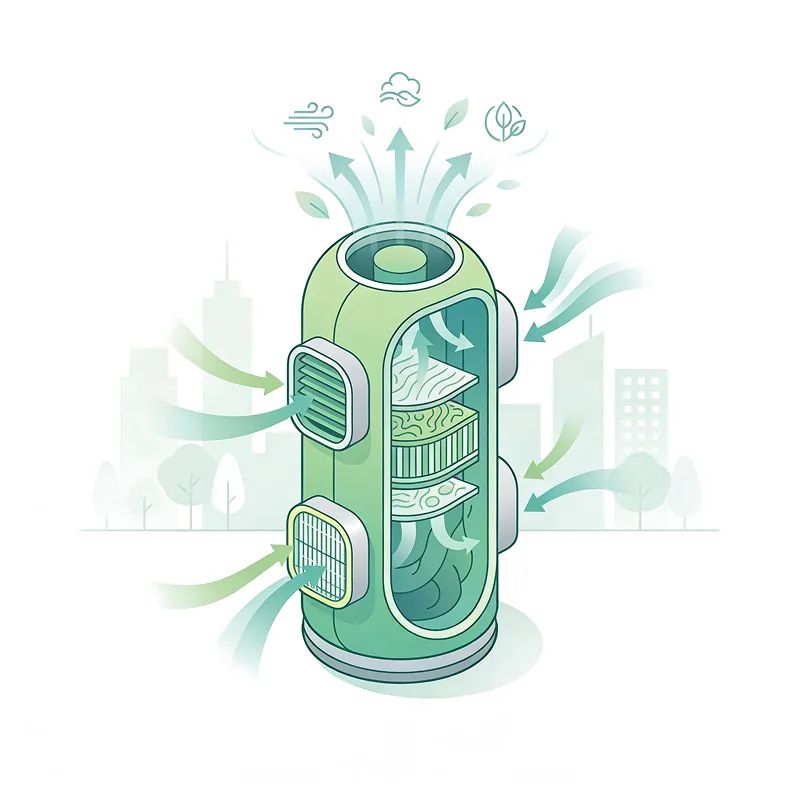
Urban air is drawn into the system through a controlled intake.
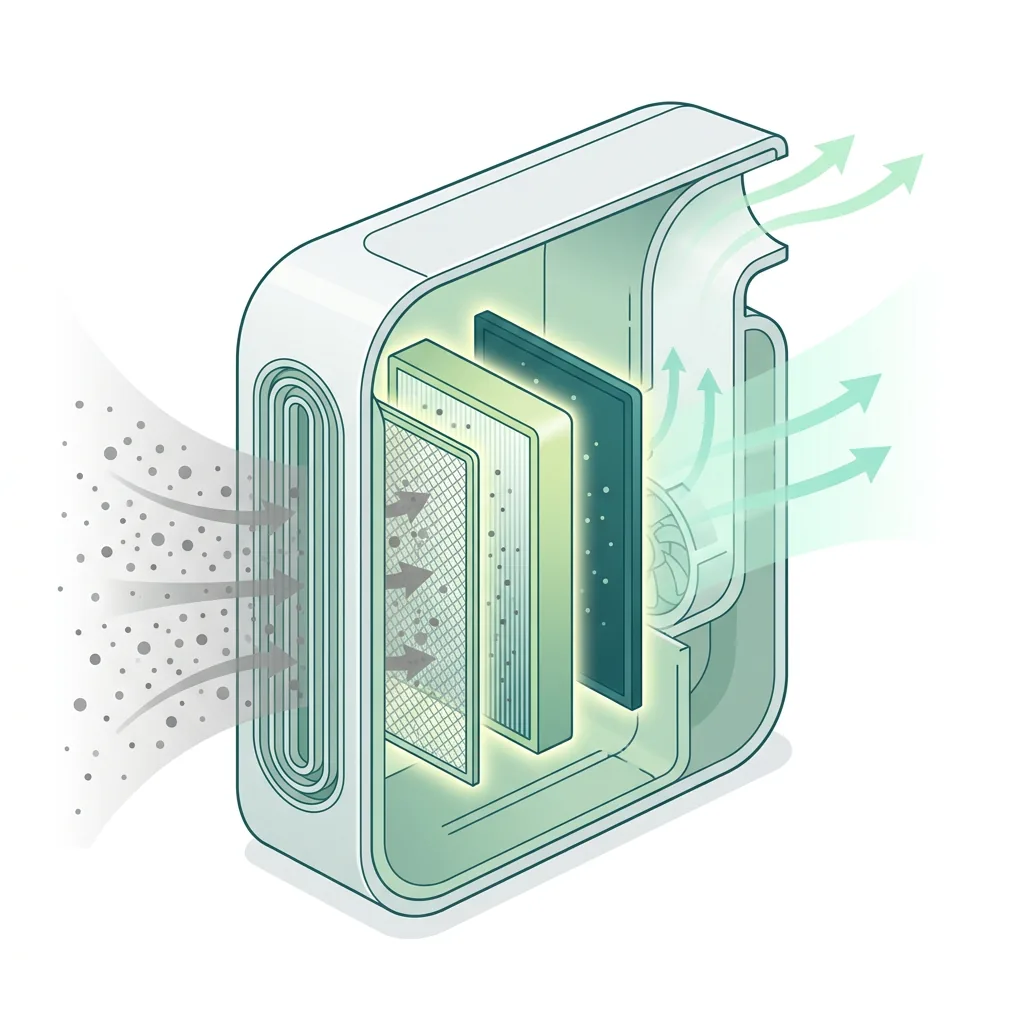
PM2.5 and PM10 pollutants are filtered before entering the biological chamber.
.png&w=2048&q=75&dpl=dpl_Be5WzBPnJHRaecUFK6mtodEhURUx)
Microalgae absorb CO₂ through photosynthesis and convert it into biomass.
.png&w=2048&q=75&dpl=dpl_Be5WzBPnJHRaecUFK6mtodEhURUx)
Cleaned air with oxygen is released back into the surrounding environment.

AI-driven sensors track air quality and optimize system performance.
Runs on integrated solar energy, enabling clean and sustainable operation without constant external power.

Hours Backup(Battery)
Telemetry &System Uptime
KWh/dayTypical Draw*
Sources(Solar)
AlgaeTree™ uses microalgae, one of nature's most efficient carbon-capturing organisms to reduce atmospheric carbon and improve urban air quality. Through continuous photosynthesis, the system converts carbon dioxide into oxygen and biomass while operating on renewable energy and a closed-loop nutrient system. This enables long-term carbon capture with minimal environmental footprint.
Field simulations and laboratory studies show that microalgae-based systems can capture carbon significantly faster than terrestrial plants. A single AlgaeTree™ unit is designed to capture up to ~1.8–2 kg of CO₂ per day, equivalent to approximately 650–700 kg annually, while also helping reduce particulate pollution in the surrounding air.
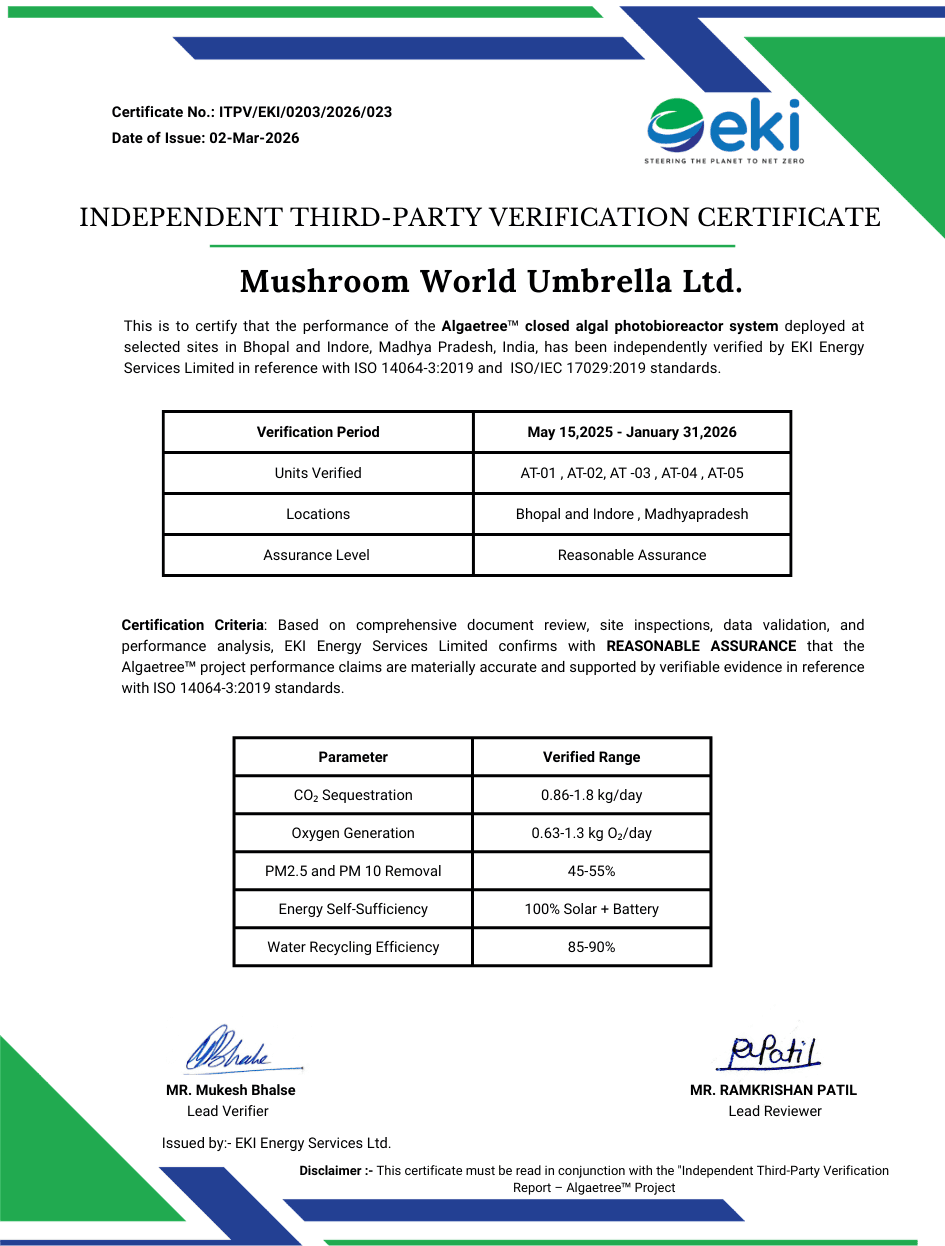
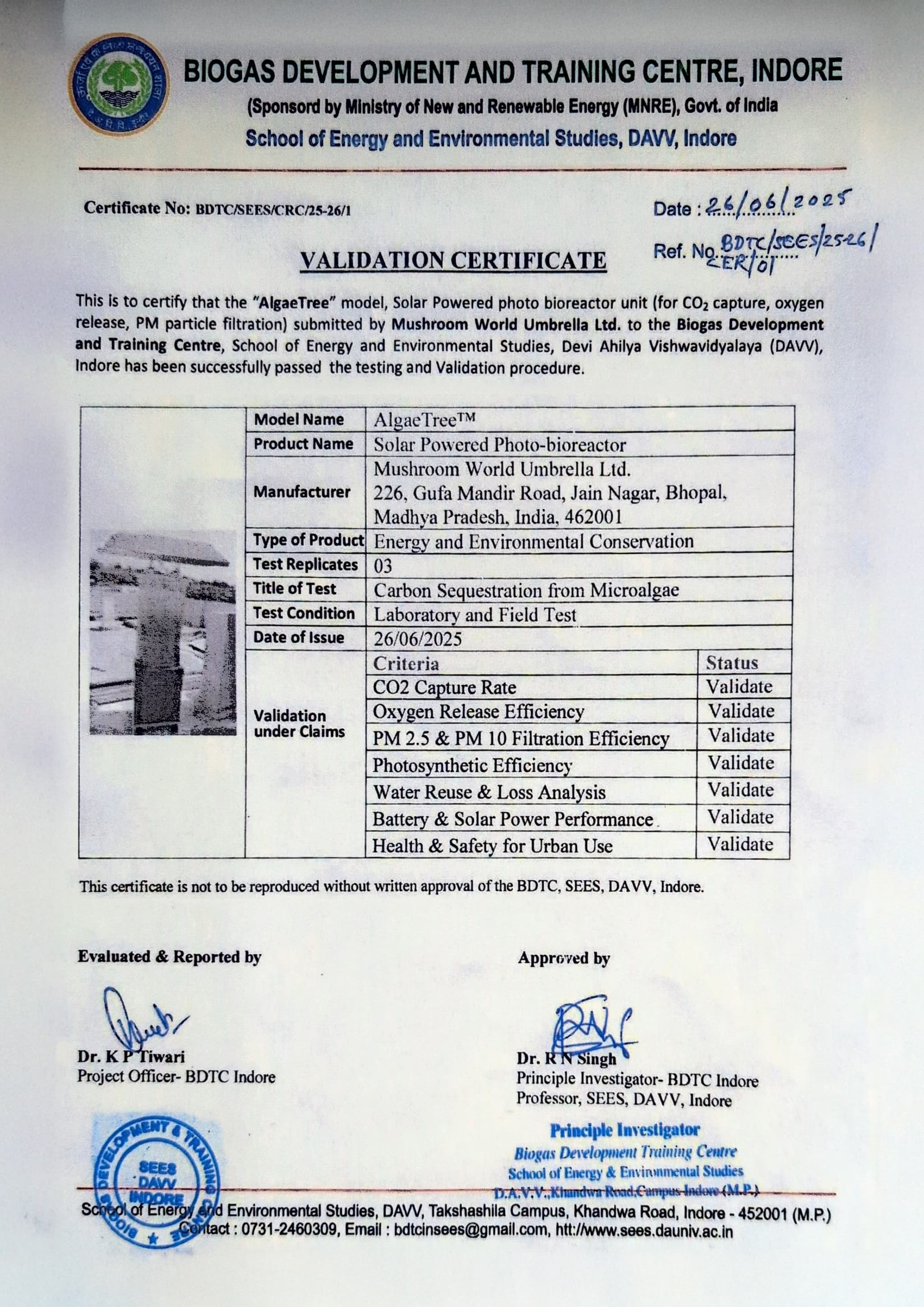
.webp&w=2048&q=75&dpl=dpl_Be5WzBPnJHRaecUFK6mtodEhURUx)